

SPECTRUM is an application that turns your room into a playful art experience with colourful orbs. Dozens of spheres float through your space, and each one has a pair waiting to be found. With simple visuals, polished animations, and an atmospheric soundscape, the experience creates a sense of wonder and immerses the player into an XR space that feels at once familiar and entirely transformed.
The app is built around a single, embodied action of matching the pairs by looking around, reaching, and moving through your own room.
With each match, the spheres merge to grow into a bigger one. A correct match responds immediately — the two spheres pull toward each other along a thin visual connection, drawing a line through the air between them. When we started testing the app, these lines became one of the most memorable parts of the experience because of their unnatural perfection in creating a trace in the space.
The experience progresses throughout multiple levels. In some levels, colourful spheres stay in one place, in others they change their location or move, bouncing off each other and off the surfaces of the room. The space itself is darkened to let the colours take over, and the surfaces are traced by a point cloud — a lidar-like scan that makes the walls and floor twinkle like a field of stars.
Besides levels, the app includes a daily zen challenge: a single level drawn randomly from a set of 50, in which matching clears the spheres away rather than growing them. The number of spheres ranges from 8 to over a 100, and each day is bringing a new surprise about how long will today's meditation be. It is quieter in intention — less about progression, more about the simple satisfaction of clearing a space, one pair at a time.
The starting point for SPECTRUM was the question of what it means to interact with your own space through XR to find something new inside it.
The use of colourful spheres as the central object grew from the work of studio creative director Maxim Zhestkov, whose explorations of particle systems and colour fields informed the visual language of the experience. Another inspiration was the spatial installation work of Yayoi Kusama, whose immersive environments use simple, repeating forms to create a sense of infinite depth and presence.
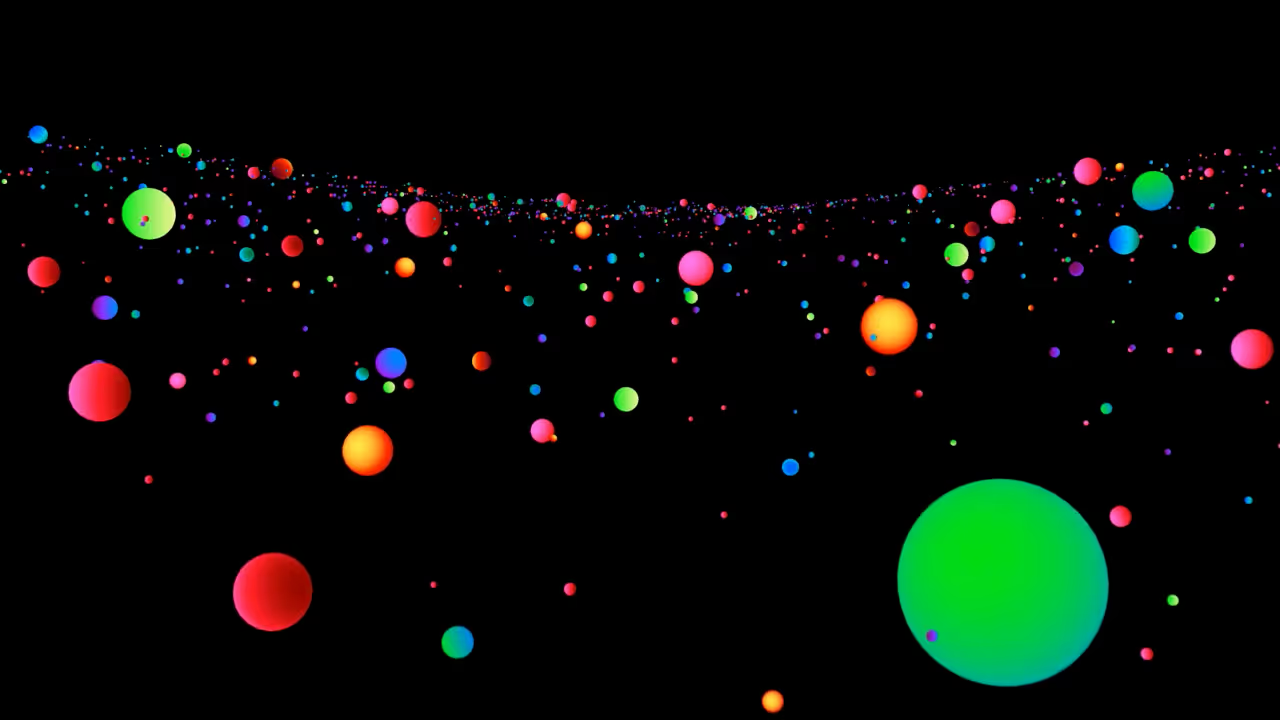
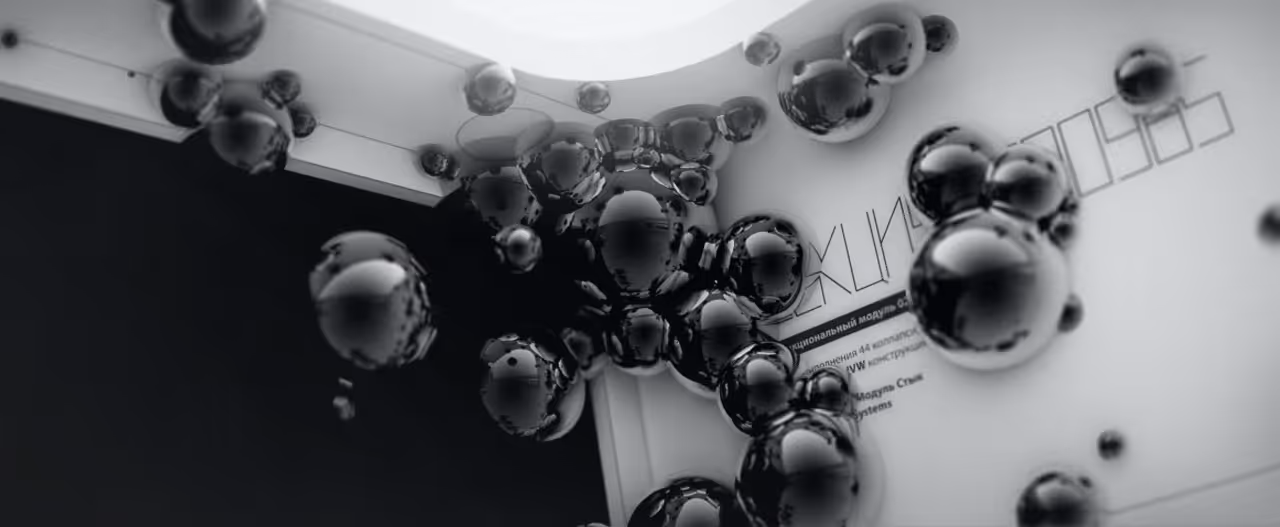
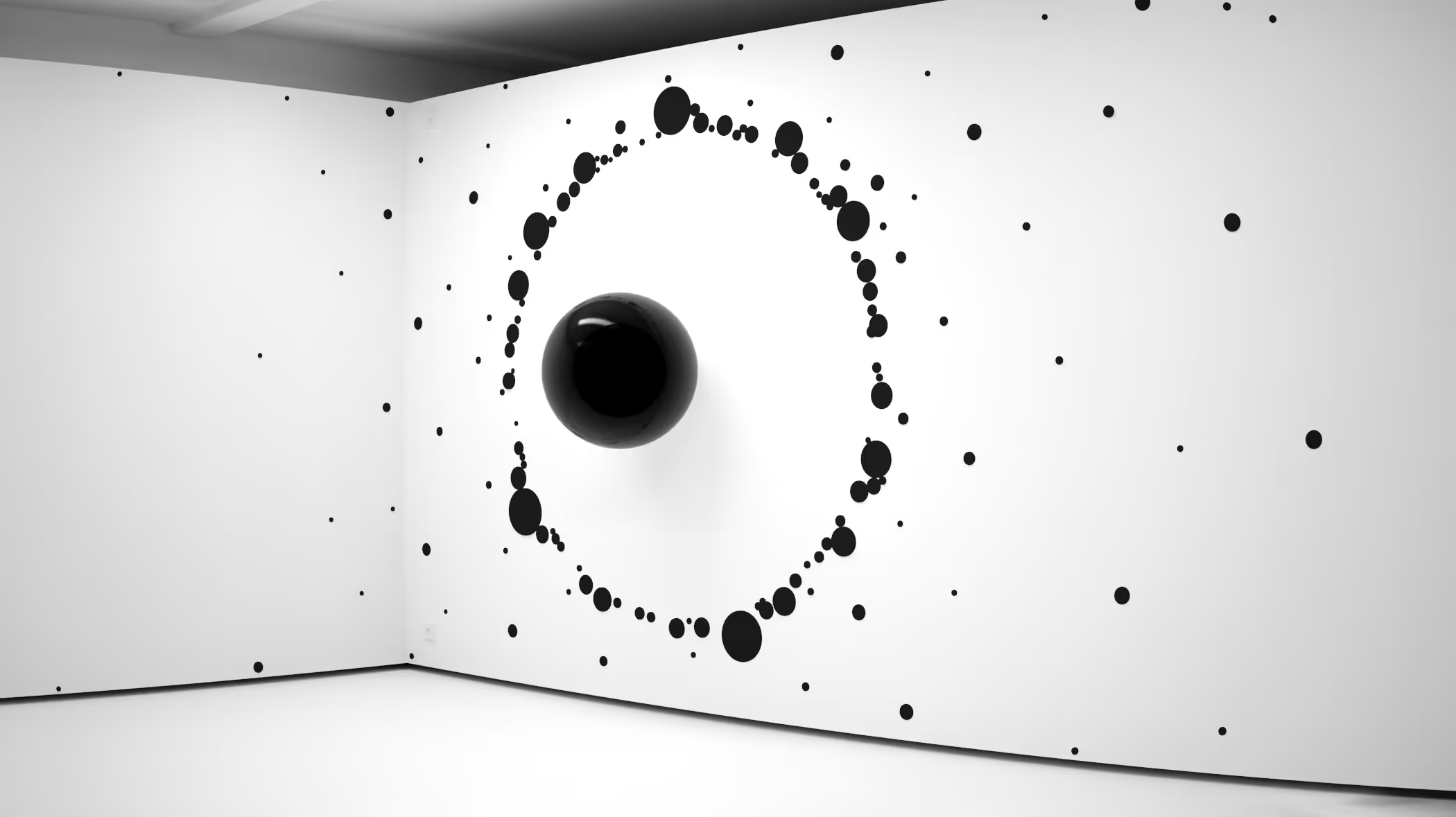
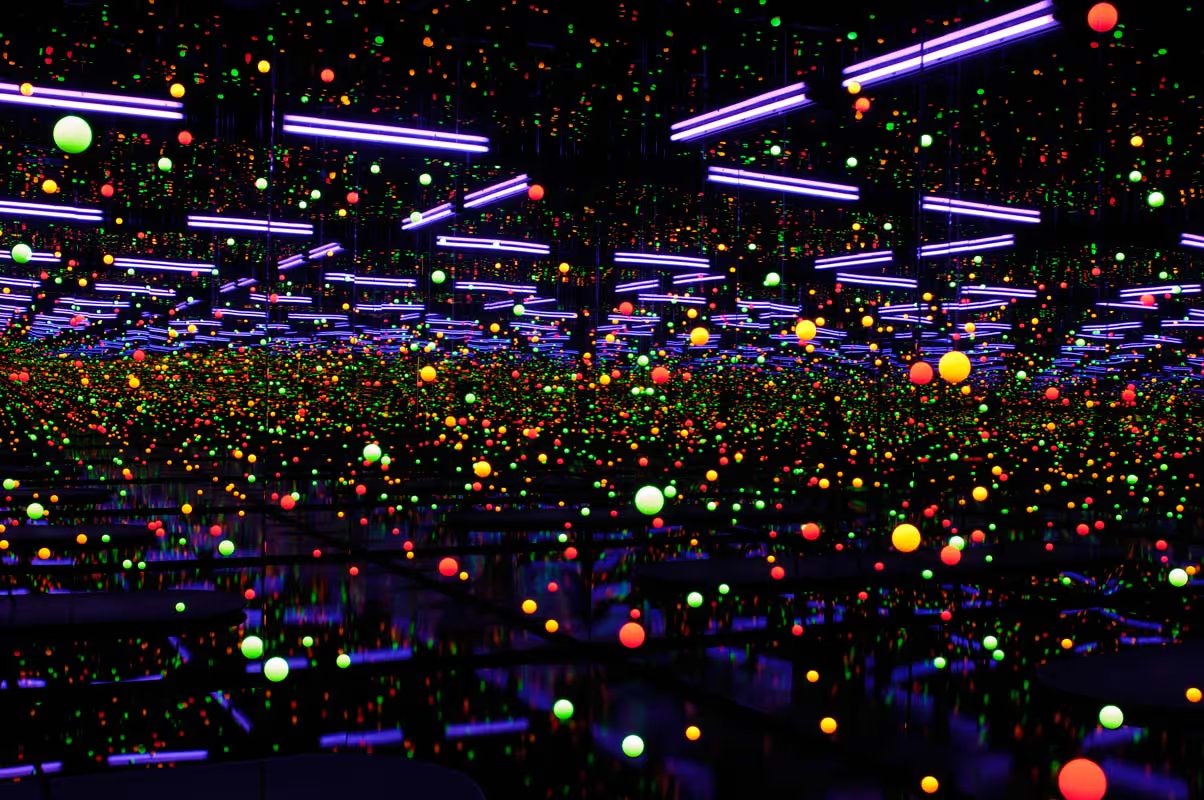
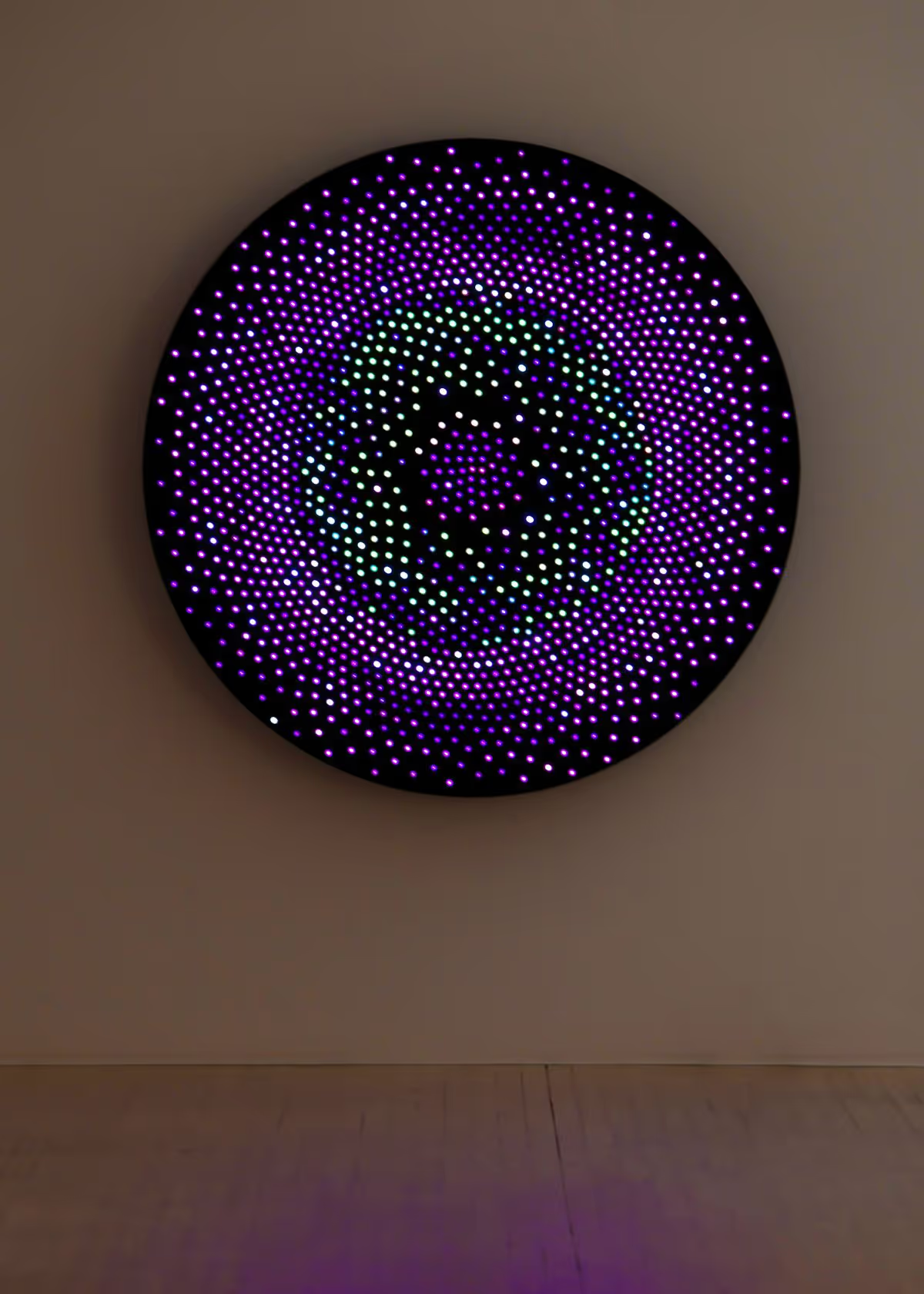
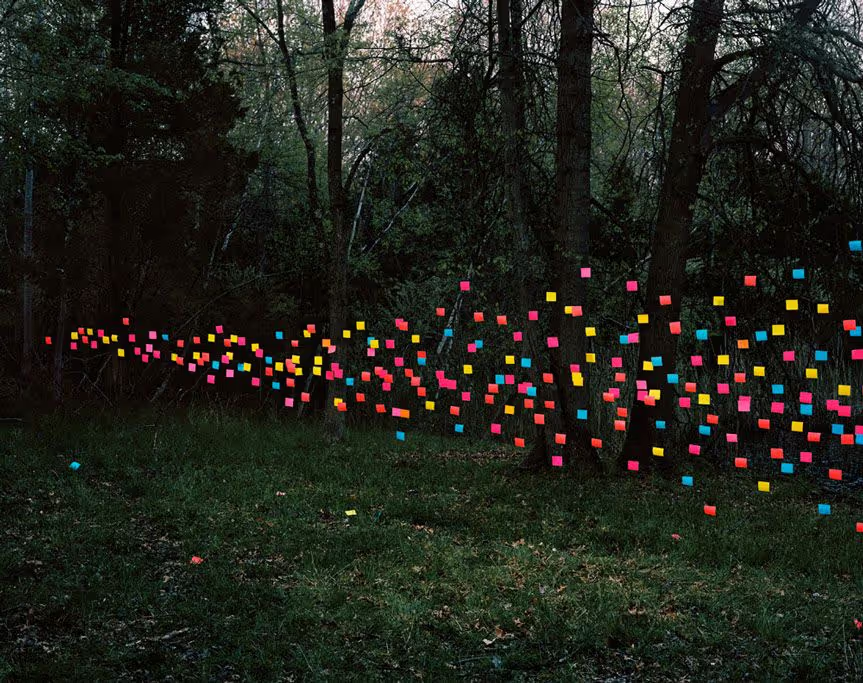
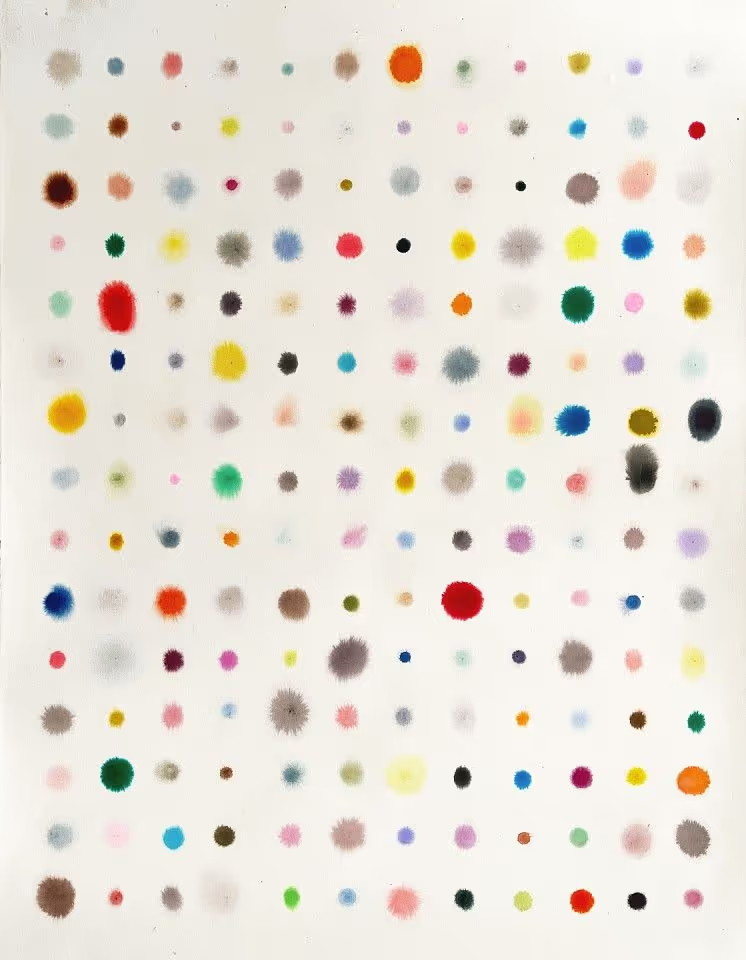
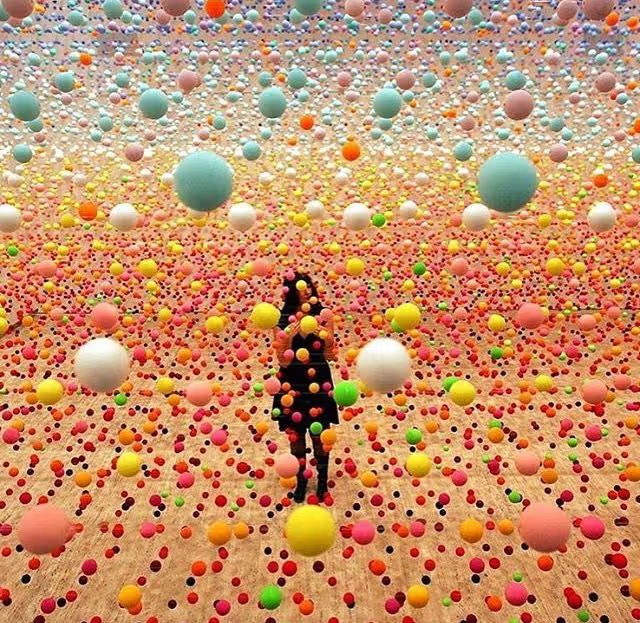
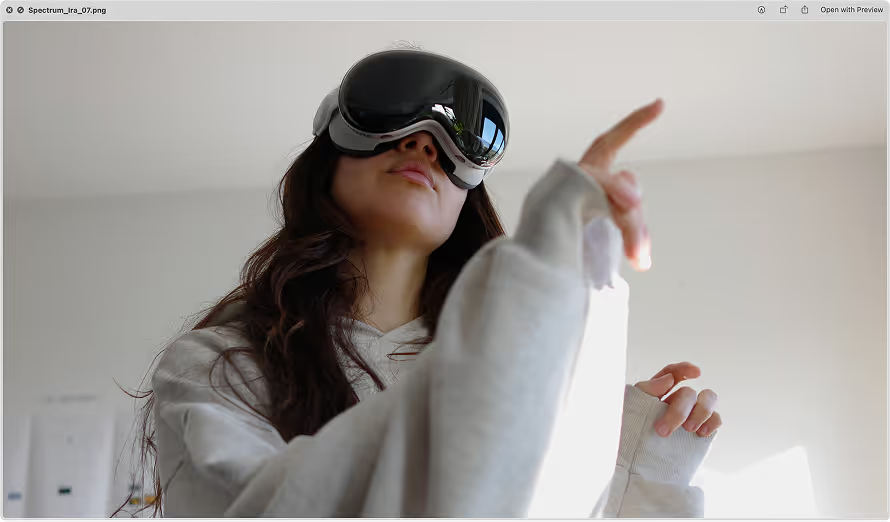
The goal was to bring an art installation into one's home and add elements of a game into it — a meditative and immersive experience, it does not just exist in the surrounding space but includes the player as an active participant.
The idea of scanning the room and embedding the experience within it was present from the very beginning, but was what lived inside that space changed over the course of the project.
The earliest prototypes explored a different kind of interaction: locating colourful spots on the walls, peeling them from the surface, and bringing them together to blend into a shared gradient. Additional mechanics — including throwing the spots from a distance — were tested and refined, but the experience never felt as immersive as we wanted.
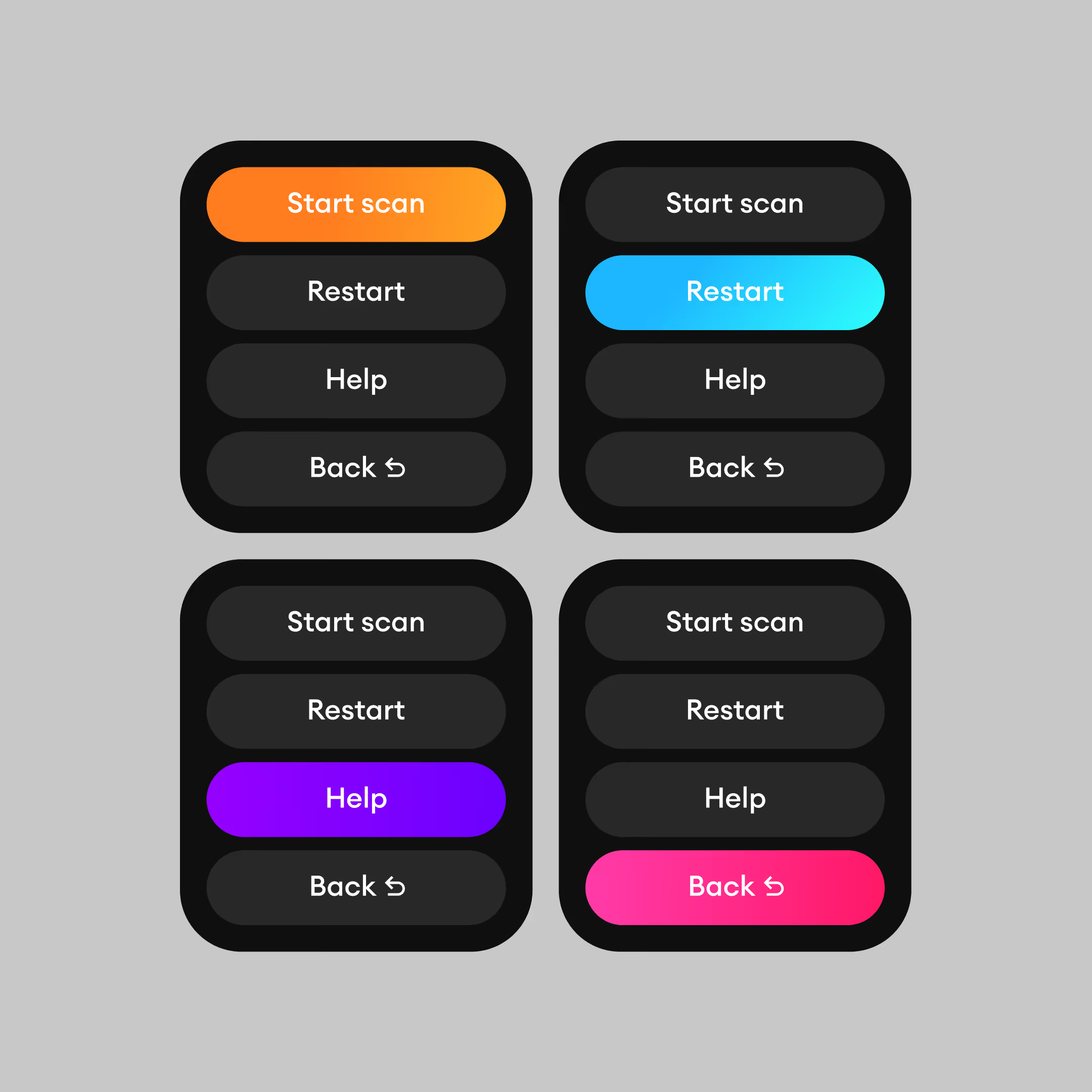
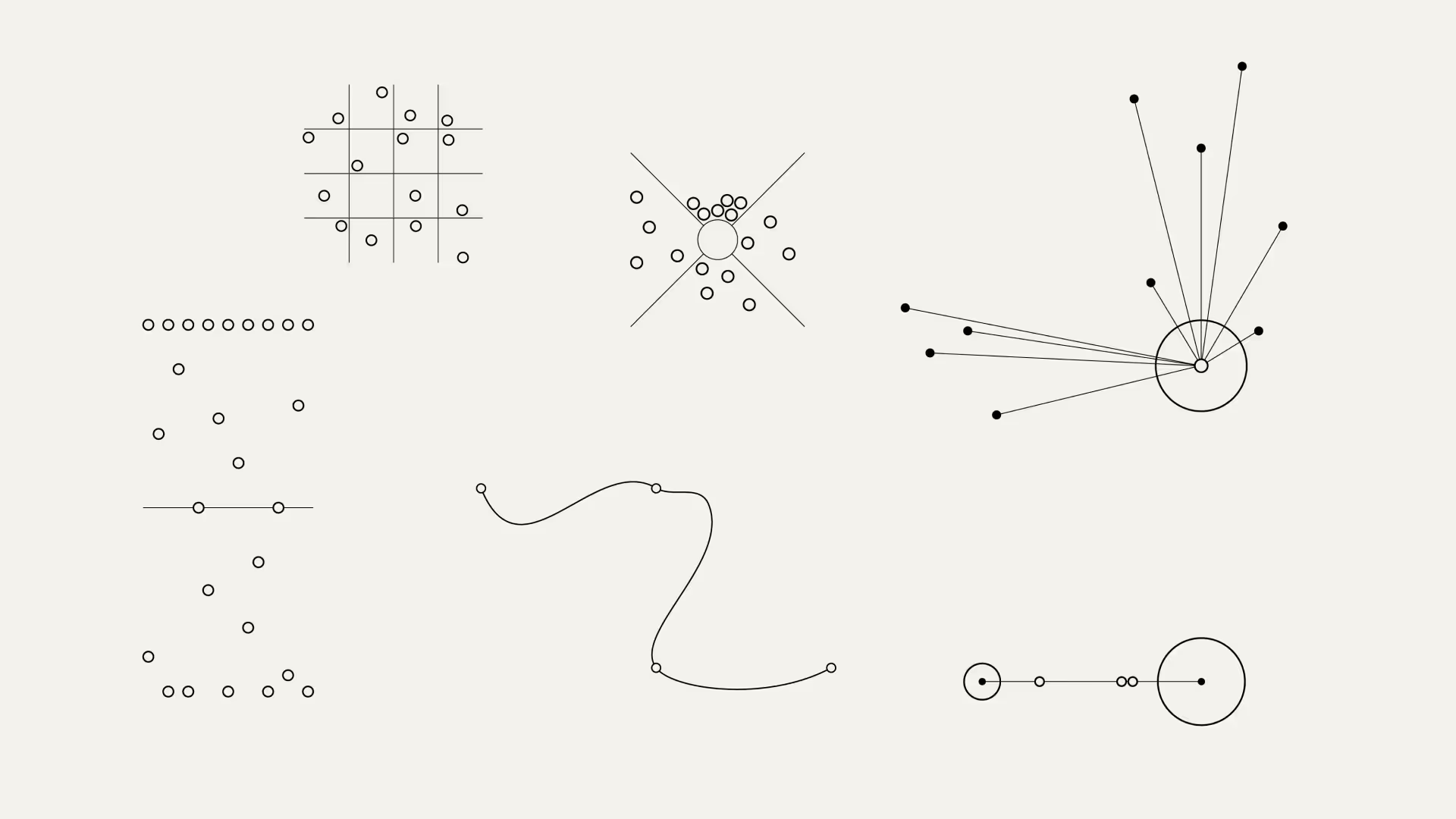
The transition came when we moved the objects off the surfaces and into the air — floating spheres changed everything about how the space felt. A turning point in this exploration were animation tests. Working first in 2D, we explored how each action should feel before building it in the headset.
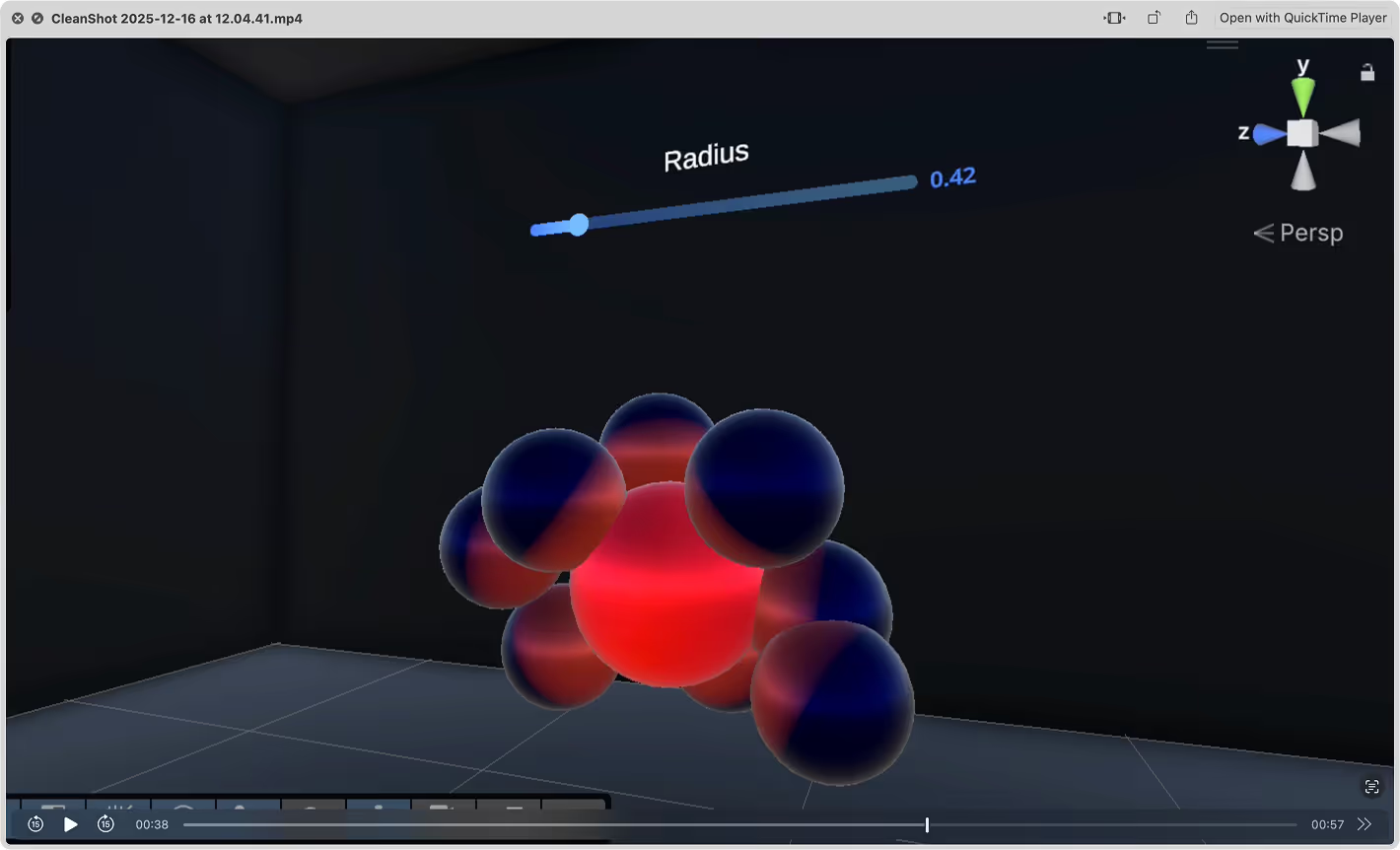
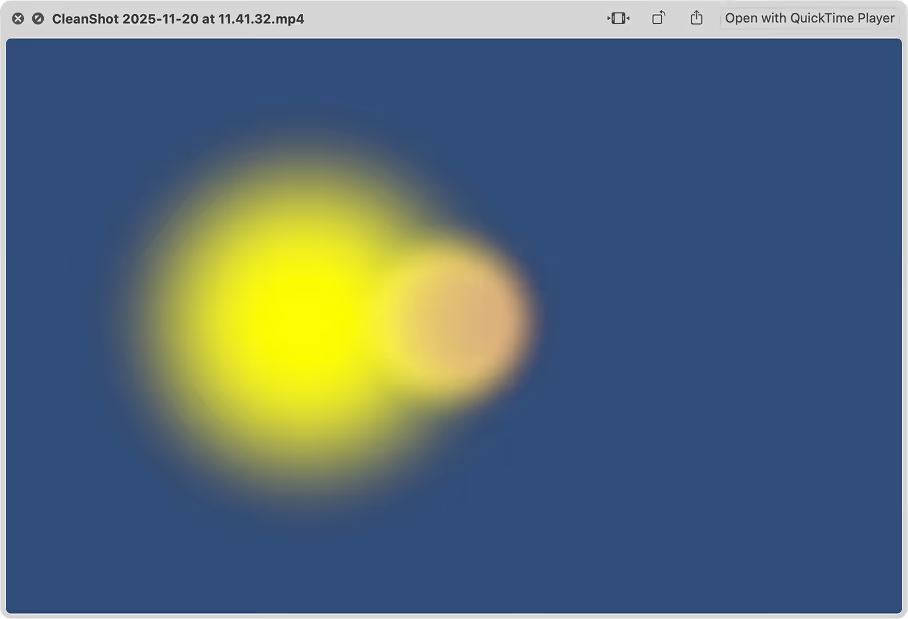
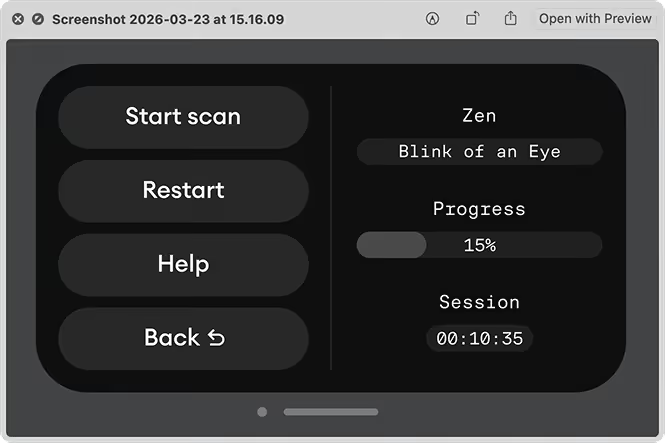
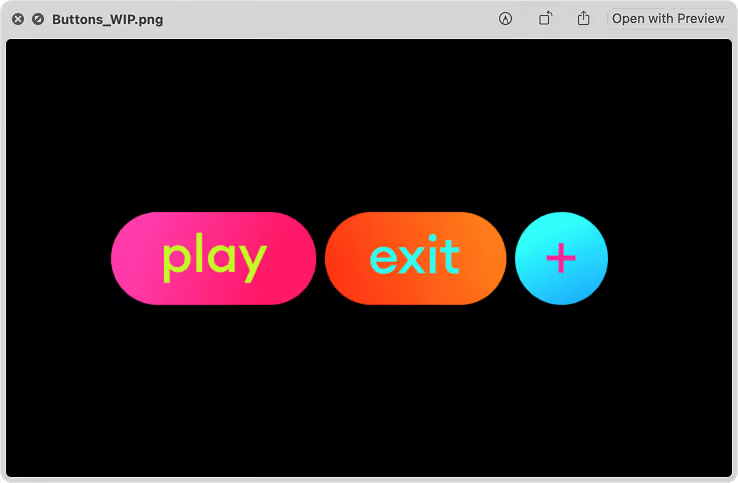
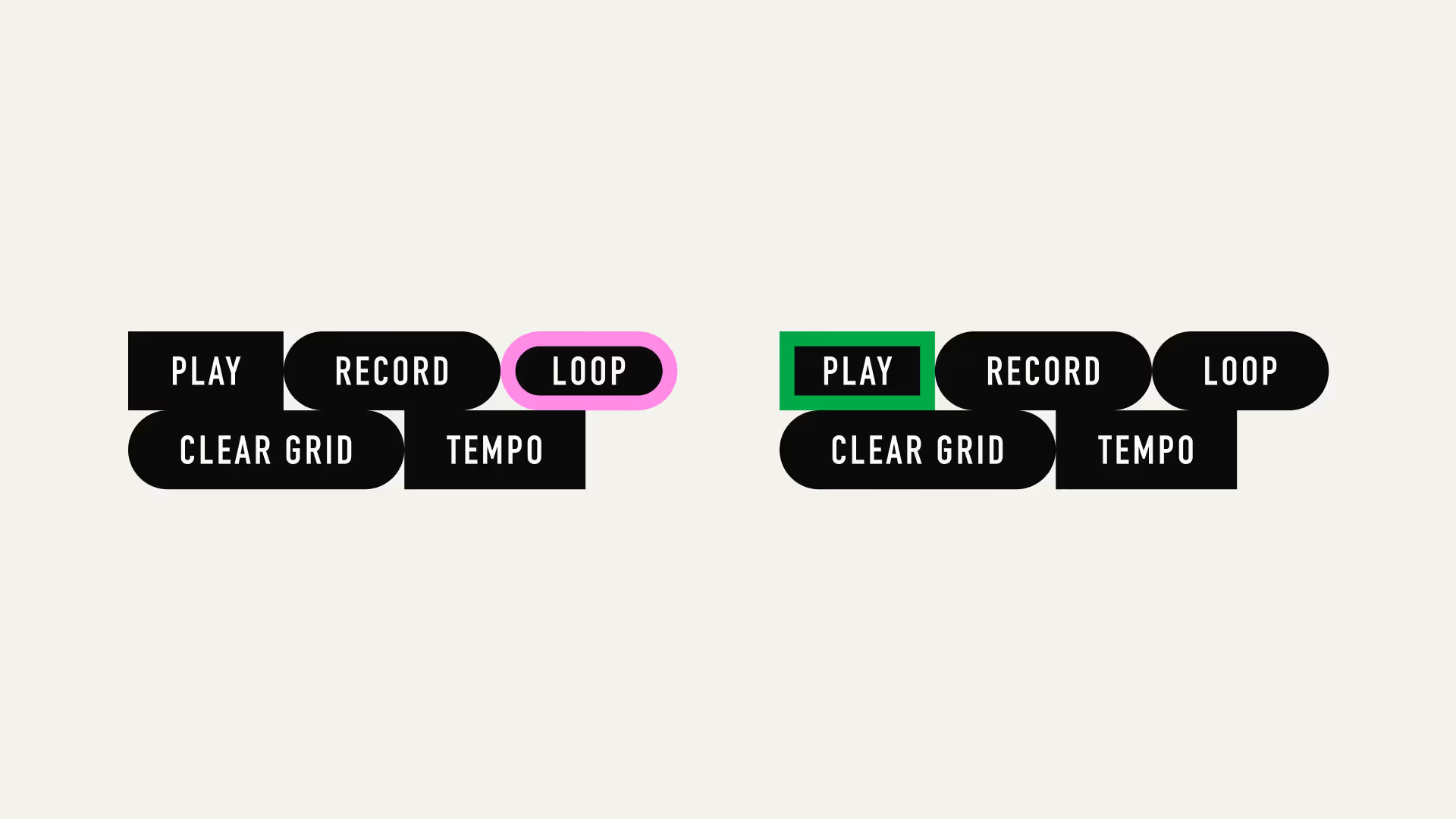
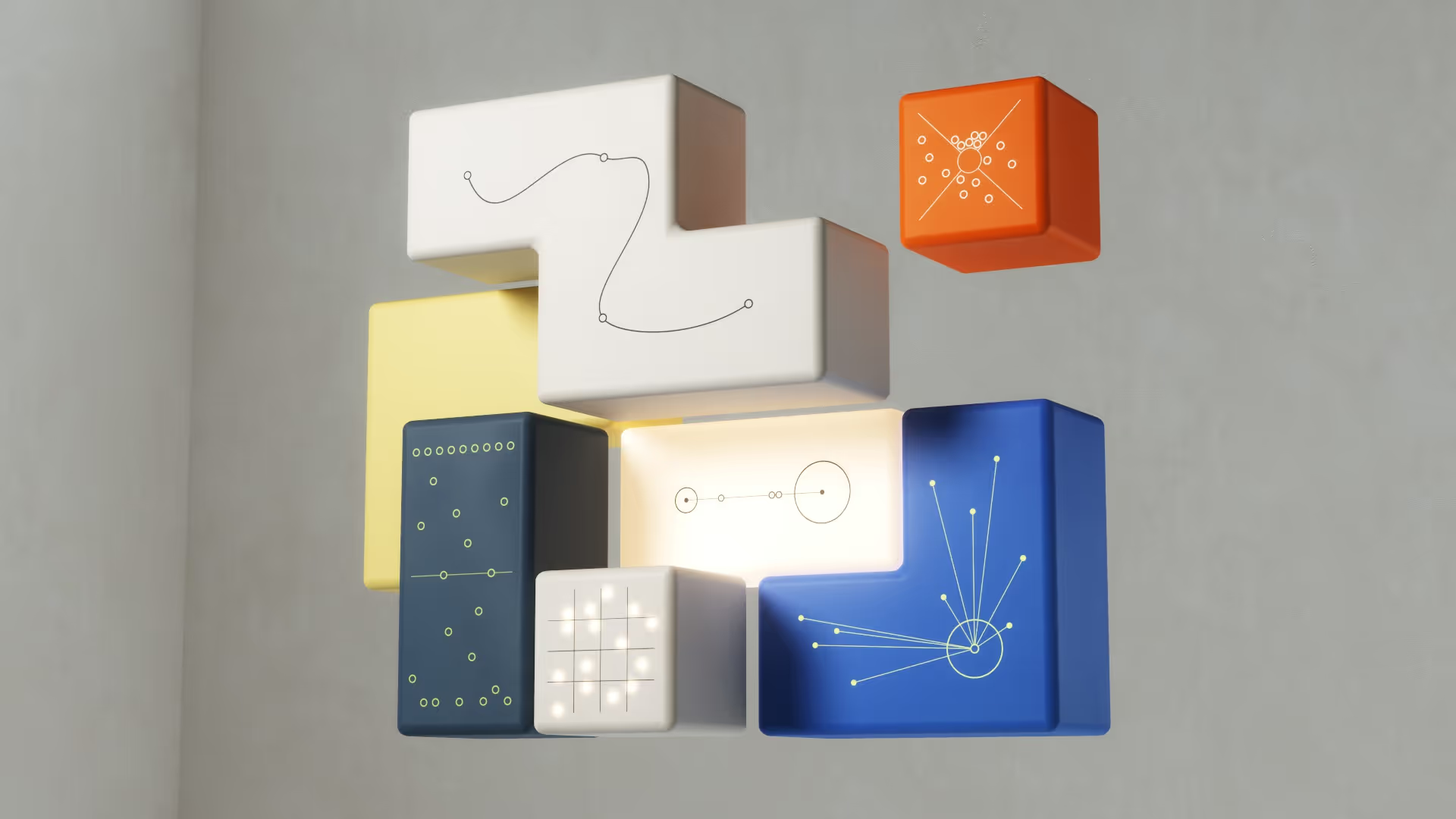
A second discovery came later, when we were first able to see dozens of spheres together in the headset. Earlier versions used more complex gradient shaders and glowing effects, but we had moved toward a simpler material treatment. Seeing that simplicity at scale — how clean it looked, how many spheres could exist in the space at once, how magical that density felt — confirmed that restraint was the right choice. The experience grew from that decision outward.
Creative Director:
Maxim Zhestkov
Art Director, 3D Designer:
Vladimir Zhirnov
Developers:
Hankun Yu,
Theodore Cruickshank,
Alexey Shlyk
Producer:
Anna Gulyaeva
Musician, Sound Designer:
Simon Pyke,
Sergey Gorelov
Animator:
Anar Suratayeva
Graphic Designer:
Anastasia Suryaninova
Creative Director:
Maxim Zhestkov
Developers:
Hankun Yu
Kamen Dimitrov
Animator:
Ivan Popov
Interaction Designer:
Anna Blewden
Art Director, 3D Designer:
Vladimir Zhirnov
3D Designer:
Diana Umiarova
Writers,
Creative Producers:
Irina Kulinich
Anna Gulyaeva